Planning meals around pantry staples is a practical and economical way to keep your kitchen running smoothly. Whether you’re trying to save money, reduce food waste, or simply avoid last-minute trips to the store, knowing how to make the most of what you have can make a big difference in your cooking routine.
In this guide, we’ll explore how to identify pantry staples, organize your supplies, and plan balanced, tasty meals without needing a long grocery list.
What Are Pantry Staples?
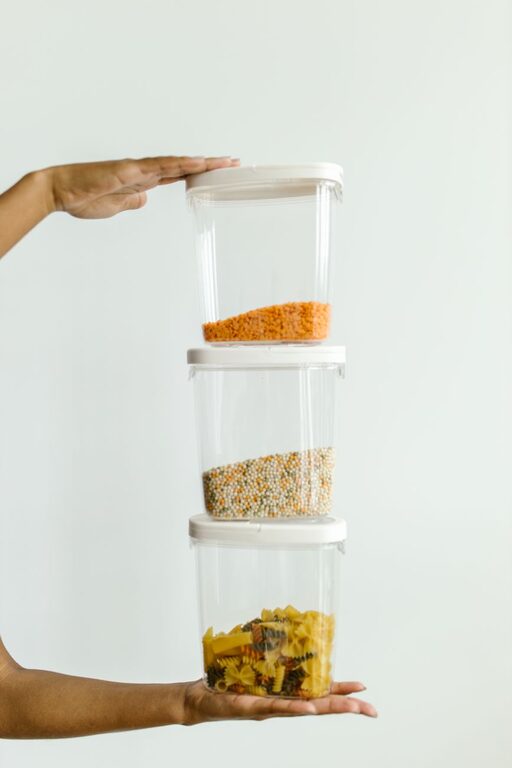
Pantry staples are non-perishable foods that you keep in your kitchen for regular use. These ingredients have a long shelf life and form the foundation of many meals. Common pantry staples include:
– Dried pasta and rice
– Canned beans and vegetables
– Cooking oils (olive oil, vegetable oil)
– Flour, sugar, and baking supplies
– Spices and dried herbs
– Broth or bouillon cubes
– Canned tomatoes and sauces
Having a well-stocked pantry means you can whip up meals even if your fridge is looking sparse.
Step 1: Take Inventory of Your Pantry
Before you start planning, take a few minutes to assess what you already have. Organize your pantry items by category (grains, canned goods, spices, etc.) and make a list. This helps you see what you can use soon and what you might need to replenish later.
Step 2: Think About Meal Components
Meals typically include three main components:
– Protein: canned beans, lentils, canned tuna or chicken, nuts, or peanut butter
– Carbohydrates: rice, pasta, potatoes, or grains like quinoa or couscous
– Vegetables: canned tomatoes, frozen vegetables, or any fresh produce you have available
When planning, try to balance these elements to create satisfying and nutritious meals.
Step 3: Use Versatile Recipes
Choose recipes that are flexible and allow you to substitute ingredients based on what’s in your pantry. Here are some meal ideas using pantry staples:
One-Pot Pasta
– Use dried pasta, canned tomatoes, and any spices you like (such as garlic powder, basil, or oregano).
– Add canned beans or canned chicken for protein.
– Throw in frozen or canned veggies for extra nutrition.
Rice and Bean Bowls
– Cook rice as the base.
– Heat canned beans (black beans, chickpeas) seasoned with chili powder or cumin.
– Top with salsa (store-bought or homemade with canned tomatoes) and any fresh veggies or cheese you have.
Soup or Stew
– Use broth or bouillon cubes as a base.
– Add canned vegetables, beans, and grains or pasta.
– Season with spices and herbs for flavor.
Step 4: Plan for Fresh Ingredients
If possible, supplement your pantry staples with fresh ingredients like onions, garlic, carrots, or greens. These items not only elevate the flavor of pantry-based meals but also add important nutrients.
Step 5: Batch Cook and Store
To save time, prepare larger batches of pantry staple meals and store leftovers in the fridge or freezer. Soups, stews, or rice and bean dishes often taste even better the next day.
Tips for Successful Pantry Meal Planning
– Keep spices and herbs stocked: They transform simple pantry items into flavorful dishes.
– Mix and match: Don’t be afraid to combine different grains, proteins, and veggies to keep meals exciting.
– Use apps or templates: Meal planning apps can help you organize your pantry inventory and create shopping lists.
– Rotate your pantry: Use older items first and replace them gradually to avoid waste.
Conclusion
Planning meals from pantry staples is a skill that brings convenience and creativity to your cooking. By knowing what items to keep on hand and how to combine them, you can prepare healthy, comforting dishes any time. Start by organizing your pantry, then experiment with versatile recipes, and you’ll find it easier than ever to feed yourself and your family without relying on frequent grocery trips.
With a little practice, your pantry will become your best cooking resource!
About the Author