
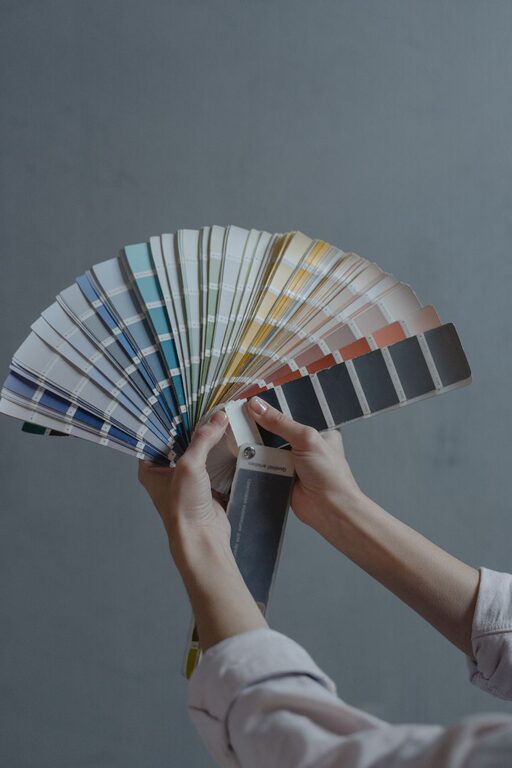
Creating a calm and peaceful environment at home starts with the colors you choose for your walls, furniture, and décor. The right colors can influence your mood, reduce stress, and promote relaxation. If you want your home to feel like a sanctuary, focusing on calm colors is a great starting point. In this post, we will explore practical tips for choosing calm colors that transform your living space into a soothing retreat.
Why Choosing Calm Colors Matters
Colors have a powerful effect on our emotions and behavior. Bright or intense colors like reds and oranges can energize or even agitate, while softer, cooler tones tend to calm the mind and create a sense of tranquility. A balanced color palette that leans toward calm hues helps make your home a welcoming place to unwind after a busy day.
Calm colors encourage relaxation, improve focus, and can even help with better sleep when used in bedrooms. When selecting colors, think about the atmosphere you want in each room. For example, you might want a serene space for meditation or a cozy nook for reading.
Popular Calm Colors and Their Effects
Here are some common calm colors and what they typically convey:
– Soft Blues: Evoke feelings of peace, stability, and calmness. Great for bedrooms and bathrooms.
– Muted Greens: Inspire a connection to nature and promote relaxation. Ideal for living rooms and kitchens.
– Light Grays: Offer a neutral, balanced backdrop without overwhelming the senses.
– Pale Lavenders: Bring a gentle, soothing vibe that feels both fresh and calming.
– Warm Beiges and Creams: Create a cozy and inviting atmosphere with subtle warmth.
Tips for Choosing Calm Colors for Your Home
1. Consider the Room's Purpose
Different rooms serve different functions, and the colors should reflect that:
– Bedrooms: Opt for soft blues, greens, or lavenders to encourage restful sleep.
– Living Rooms: Choose warm neutrals or muted greens to foster comfort and relaxation.
– Bathrooms: Light blues or soft grays create a spa-like atmosphere.
– Home Office: Pale greens or grays can boost focus without causing distraction.
2. Test Colors in Different Lighting
Lighting can completely change how a color looks. Natural sunlight tends to reveal the true color, while artificial light can add warmth or coolness.
– Paint small patches on your wall and observe them at different times of day.
– Check colors under both daylight and the type of artificial lighting you use (warm or cool bulbs).
– Remember that shiny or glossy finishes reflect more light, making colors appear brighter.
3. Use Color Samples and Swatches
Before committing to a color, gather samples from paint stores or order swatches online.
– Compare several calm shades side-by-side.
– Place swatches next to your furniture, flooring, and décor to ensure harmony.
– Don’t rush; live with the samples on your walls for a few days to see how they feel.
4. Balance Calm Colors with Neutrals
Pairing calm colors with neutral tones helps create a refined, uncluttered look.
– Whites, off-whites, and soft grays work well as base colors.
– Neutral furniture or trim can ground calm-colored walls.
– This balance prevents the space from feeling monotone or dull.
5. Layer Calm Colors with Textures and Accents
A room painted entirely in soft shades can feel flat. Add depth and interest by introducing textures and accent pieces.
– Incorporate cozy textiles like plush rugs, cushions, or throws.
– Use natural materials such as wood, stone, or linen.
– Introduce soft metallics or glass accessories for subtle shine.
6. Keep Personal Preference in Mind
While some colors are generally calming, personal associations matter.
– Think about colors that make you feel relaxed or happy.
– Avoid shades that remind you of stressful experiences.
– Your comfort with a color will enhance its calming effect.
7. Avoid Overwhelming the Space
Too many colors or very dark shades can over-stimulate the senses.
– Limit your palette to two or three calm colors per room.
– Use darker tones sparingly, such as on accent walls or in small décor items.
– Maintain open space and avoid clutter to enhance the feeling of calm.
Final Thoughts
Selecting calm colors for your home is a wonderful way to create a soothing atmosphere where you can relax and recharge. Start by considering the mood you want to set in each space, then test different shades in your specific lighting conditions. Balance your chosen calm colors with neutrals and textures to add interest without losing tranquility. Most importantly, choose colors that resonate with your personal sense of calm and comfort. With these tips, you’ll be well on your way to designing a home that feels peaceful and inviting every day.
About the Author